
Respect for Human Rights
Basic Approach
The MGC Group established the Mitsubishi Gas Chemical Group Human Rights Principle (“the Principle”) in October 2023, after approval by the Board of Directors, to assume responsibility for respecting the human rights of various people affected by the Group’s business activities.
The Group supports and honors the United Nations International Bill of Human Rights (the Universal Declaration of Human Rights, the International Covenant on Civil and Political Rights, and the International Covenant on Economic, Social and Cultural Rights), which stipulates basic human rights, the International Labour Organization’s Declaration on Fundamental Principles and Rights at Work, which stipulates the basic rights of people at work, the OECD (Organisation for Economic Co-operation and Development) Guidelines for Multinational Enterprises, which is an international code on human rights, and the Ten Principles of the UN Global Compact, to which the Group is a signatory.
We have also created our human rights due diligence system, based on the United Nations Guiding Principles on Business and Human Rights (UNGPs), to identify and prevent or reduce any negative effects on the human rights of those affected by the Group’s operations.
The Principle applies to all officers and employees of the Group. We encourage all business parties, etc. affected by the Group’s operations to support the intent of the Principle and to cooperate with our initiatives for respecting human rights.
Mitsubishi Gas Chemical Group Human Rights Principle
Mitsubishi Gas Chemical Company, Inc. (MGC) and its Group companies (the MGC Group), in accordance with their mission of “creating value to share with society,” will aim to create common value, including not only economic but also social value, and realize sustained growth.
Here, we stipulate the MGC Group’s Human Rights Principle (hereafter, the Principle) to assume responsibility for respecting the human rights of all people affected by the Group’s business activities.
- Our Human Rights Philosophy
The MGC Group exists as a corporate member of society, supported by a range of stakeholders, including customers, local communities, and employees.
Throughout our operations, we embrace our social responsibilities as a corporation, clearly recognizing that our activities can affect human rights.
The MGC Group respects the personalities and human rights of every individual and never discriminates against people based on their origin, nationality, race, ethnicity, philosophy, creed, religion, gender, sexual identity, age, disability, education, language, economic background or political affiliation, for any reason. - Those Subject to the Principle
All officers, employees and temporary workers, etc. of the MGC Group are subject to the Principle. We expect and encourage all business parties, etc. affected by MGC operations to support the Principle as well.
- Principles Forming the Basis of the Principle
The MGC Group supports and honors the United Nations International Bill of Human Rights (the Universal Declaration of Human Rights, the International Covenant on Economic, Social and Cultural Rights, and the International Covenant on Civil and Political Rights and its two Optional Protocols), which stipulates basic human rights, as well as the International Labour Organization’s Declaration on Fundamental Principles and Rights at Work, which stipulates the basic rights of people at work*, and another international code on human rights, the OECD Principle for Multinational Enterprises.
It also supports and honors the Ten Principles of the United Nations Global Compact as a signatory company.
We in the MGC Group strictly observe the laws of all countries and regions in which our companies operate. Where these laws conflict with international regulations, we choose to give preference to internationally approved human rights principles.*The subjects of our support and accolades include five core labour standards: 1) freedom of association and the effective recognition of the right to collective bargaining, 2) the elimination of all forms of forced or compulsory labour, 3) the effective abolition of child labour, 4) the elimination of discrimination in respect of employment and occupation, and 5) a safe and healthy working environment.
- Human Rights Due Diligence
The MGC Group has created its due diligence system based on the United Nations Guiding Principles on Business and Human Rights to identify and prevent or reduce any negative effects on the human rights of those affected by the Group’s operations.
- Education and Training
The MGC Group appropriately educates and trains its officers, employees and temporary workers, etc. so they will integrate the Principle into all Group operations and follow through on them effectively while promoting understanding of the Principle among business parties, etc. affected by the Group’s operations.
- Handling Complaints and Relief Measures
The MGC Group works to provide appropriate relief measures if it becomes evident that its businesses, products or services have had or promoted negative effects on the human rights of those affected.
We set up consultation desks inside and outside the Group to quickly detect and address any negative effects on human rights that the Group may have caused or could possibly cause. These desks are open to all MGC Group stakeholders, including its officers, employees, temporary workers, etc. and their family members; business partners; and customers, for reporting and consultation.
Any report or complaint brought forward will be handled in strict confidence, and no one will be treated unjustly for using the consultation desks. - Information Disclosure and Communication
The MGC Group acknowledges the results of its efforts related to human rights and regularly discloses them via its website, integrated reports and other publications.
It meets with stakeholders for dialogue and discussion as needed to promote understanding of human rights issues, improve related situations and resolve any problems.
Record of Revision
- Effective October 17, 2023
Mitsubishi Gas Chemical Group Human Rights Principle ( PDF:112KB)
Promotion Framework
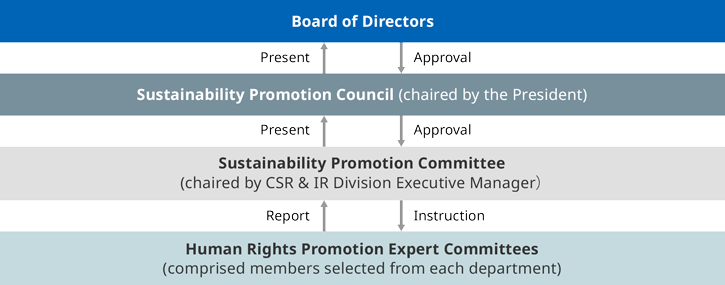
The Group has organized a Group-wide Human Rights Expert Committee to promote initiatives related to respect for human rights. The Human Rights Expert Committee promotes initiatives with the Sustainability Promotion Department within the CSR & IR Division acting as its secretariat. The status of progress on initiatives by the Human Rights Expert Committee is reported to the Sustainability Promotion Committee. The promotion status of sustainability-related issues, including human rights-related initiatives, is reported to the Sustainability Promotion Council, which is chaired by the President and Representative Director and composed of members of the Board of Directors and executive officers at the level of Senior Managing Executive Officer or higher, and particularly important issues are resolved by the Board of Directors. This structure enables the Group’s President and Representative Director to monitor the status of initiatives to respect human rights.
In promoting its human rights initiatives, the Group receives advice from third-party institutions with expert knowledge, and strives to ensure the objectivity and appropriateness of its initiatives.
Initiatives for Respecting Human Rights
Human Rights Education and Awareness Raising
The Group provides opportunities to employees for education and awareness raising regarding business and human rights.
| Fiscal year | Target | Training content |
|---|---|---|
| Fiscal 2024 | All Group employees | E-learning on business and human rights |
| Human Rights Expert Committee members | Seminars on how to engage with initiatives for respecting human rights, conducted by outside lecturers | |
| Fiscal 2025 | Group operations leaders | Seminars on global trends regarding business and human rights initiatives, conducted by outside lecturers |
| When necessary | New graduate and mid-career hires | E-learning on business and human rights |
Basic Approach and Implementation
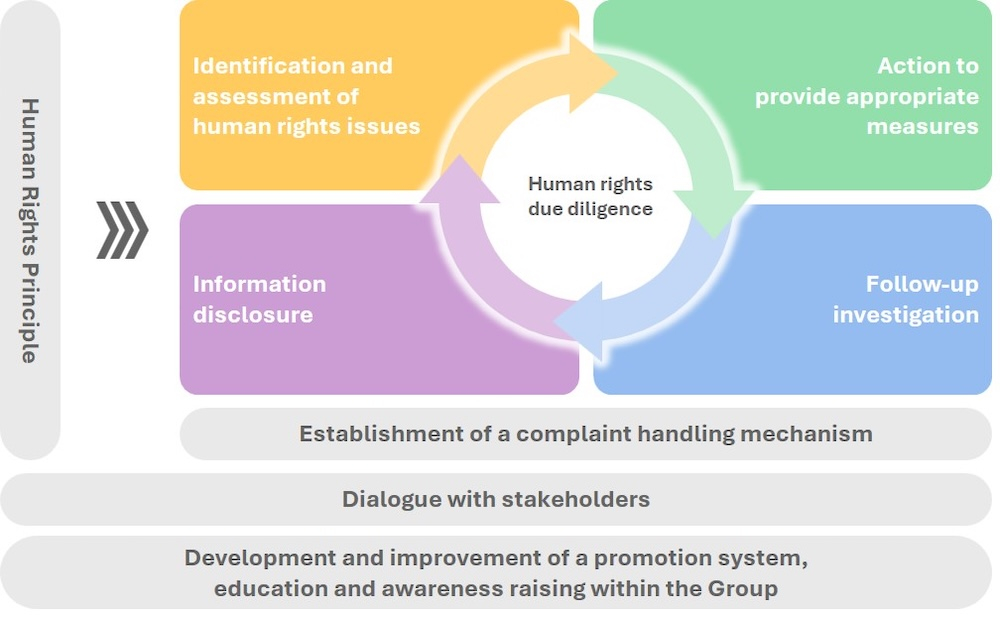
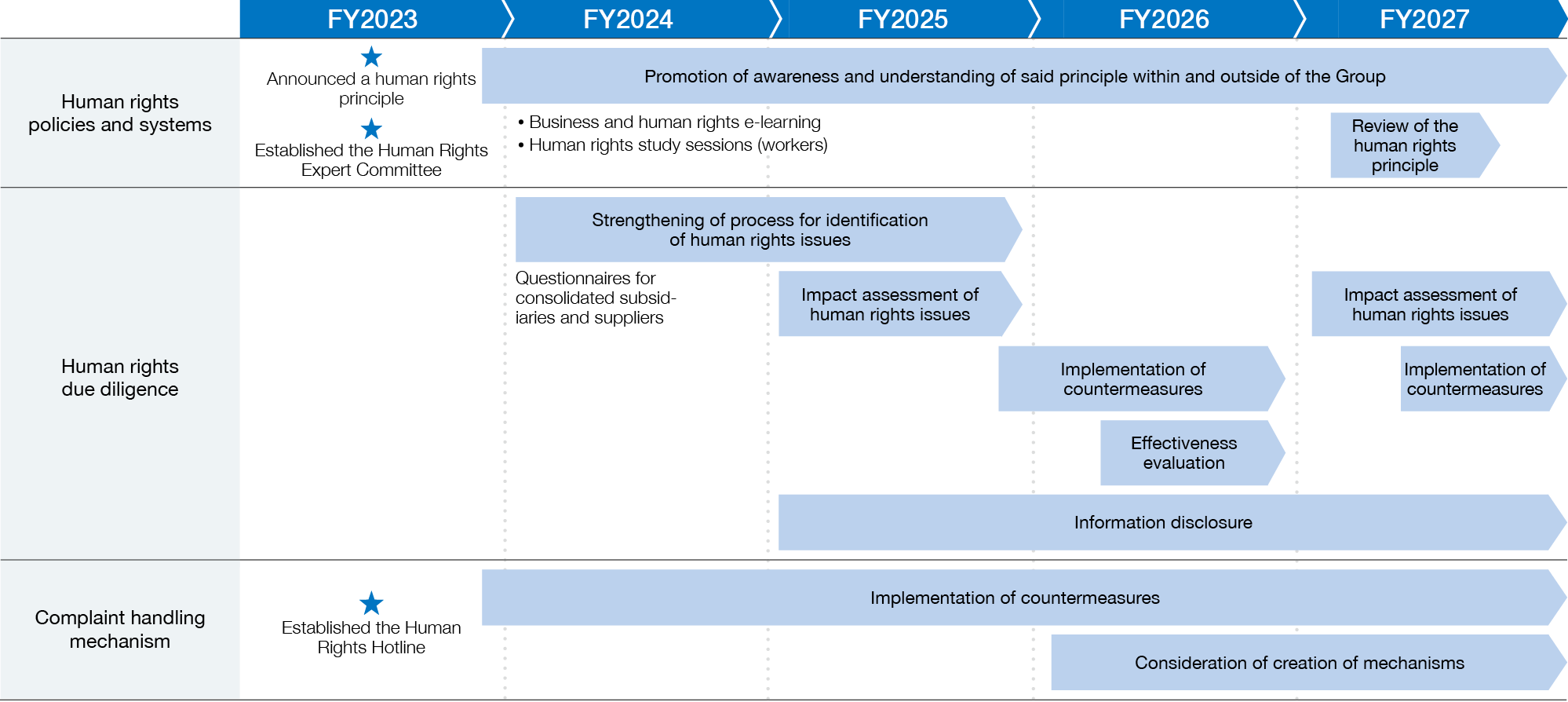
Through its human rights due diligence initiatives conducted in accordance with the methods set out in the UNGPs, the Group is developing a human rights management framework that incorporates external perspectives.
To develop this framework, the Group continuously implements a process that includes (1) identifying potential adverse human rights impacts with which the Group may be involved; (2) assessing the actual circumstances of identified impacts and taking appropriate measures to prevent or mitigate them; (3) follow-up investigation of the implementation and outcomes of such action; and (4) disclosing the progress and outcomes of these initiatives externally. Through this process, the Group seeks to enhance the effectiveness of its initiatives.
Identification of Human Rights Themes and Assessment of Issues (Risk Assessment, Impact Assessment)
The Group organizes and analyzes information from both external and internal perspectives to identify, across the value chain, potential human rights themes of concern associated with its business activities (matters where there are already concerns about adverse human rights impacts before the Group has heard from affected persons and assessed the actual circumstances).
In organizing and analyzing information from an external perspective, the Group collected information from international organizations, NGOs and NPOs, government agencies and other sources to identify human rights issues in the chemical sector and human rights issues in Japan as geographic risks. We organized the information based on the risk categories put forward in the OECD Due Diligence Guidance for Responsible Business Conduct: sector risk, product risk, geographic risk, and enterprise-level risk.
For organization and analysis of information from an internal perspective, we conducted a survey questionnaire of Mitsubishi Gas Chemical Company, Inc.’s domestic sites and its consolidated subsidiaries in Japan and overseas. Through this we confirmed information including the status of employment of foreign-national workers, the main raw materials and resources handled, the number of occupational accidents resulting in lost workdays, and the status of employment of foreign-national workers at suppliers.
Among the human rights themes that we identified, we selected “working environment for foreign-national workers at the Group’s manufacturing sites” as a priority theme for fiscal 2025, in light of its importance from an external perspective, management status, scale of direct impact, and high potential for a direct dialogue-based approach.
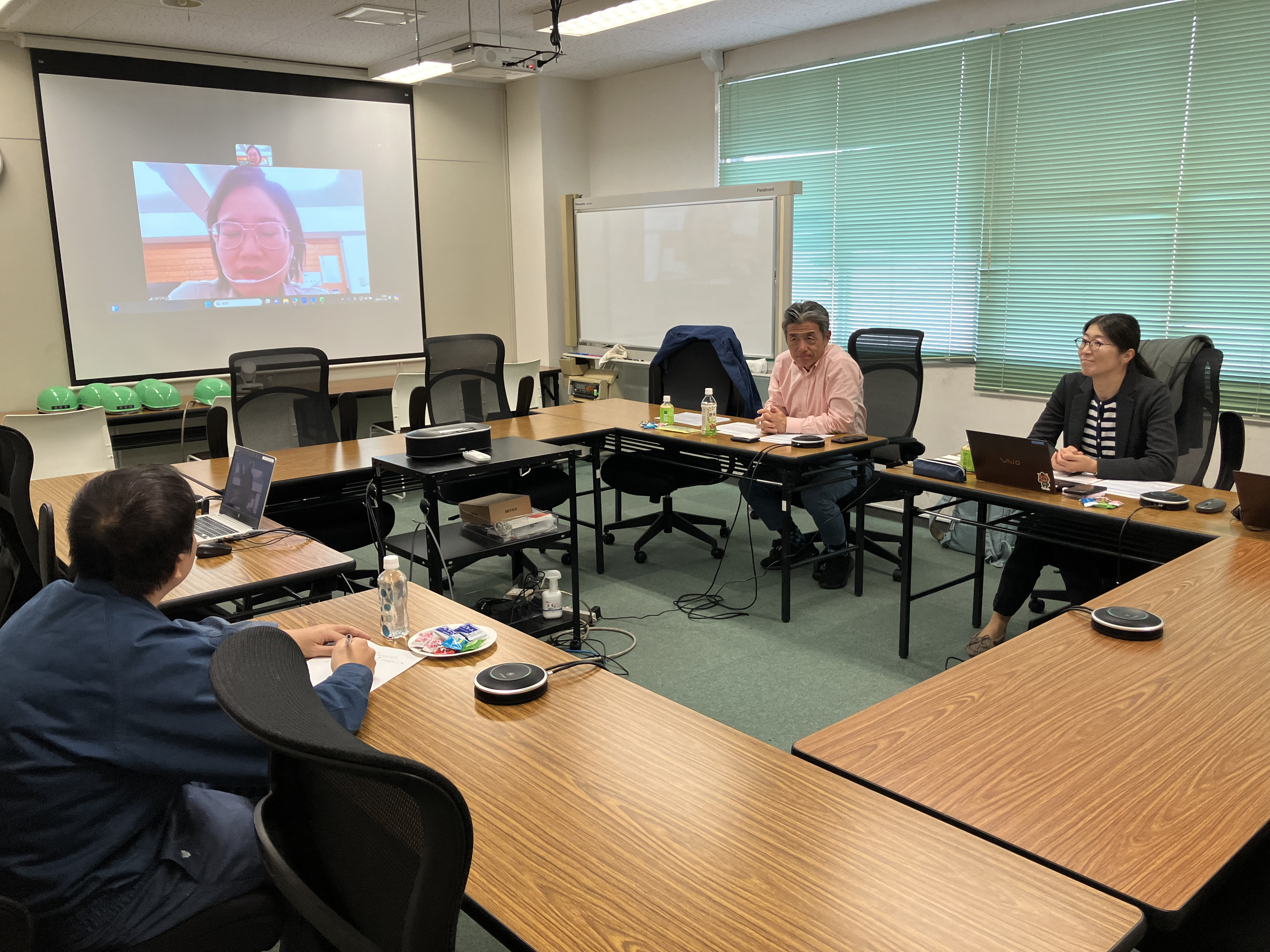
In November 2025, making reference to information from questionnaires at our sites and Group companies, we conducted a human rights impact assessment of foreign-national workers employed at a domestic manufacturing site of one of our domestic Group companies. The assessment was performed by a third-party organization, which conducted interviews of the workers and their managers using questions based on the Dhaka Principles for Migration with Dignity,* and assessed the environment for the workers.
The assessment found no serious matters corresponding to human rights violations.
The Group will provide feedback to managers regarding the views of the foreign-national workers who were interviewed, and work with Group companies to look at further ways to respect human rights.
- *A set of international principles for responsible recruitment and employment of migrant workers, created by the Institute for Human Rights and Business (IHRB)
Initiatives Going Forward
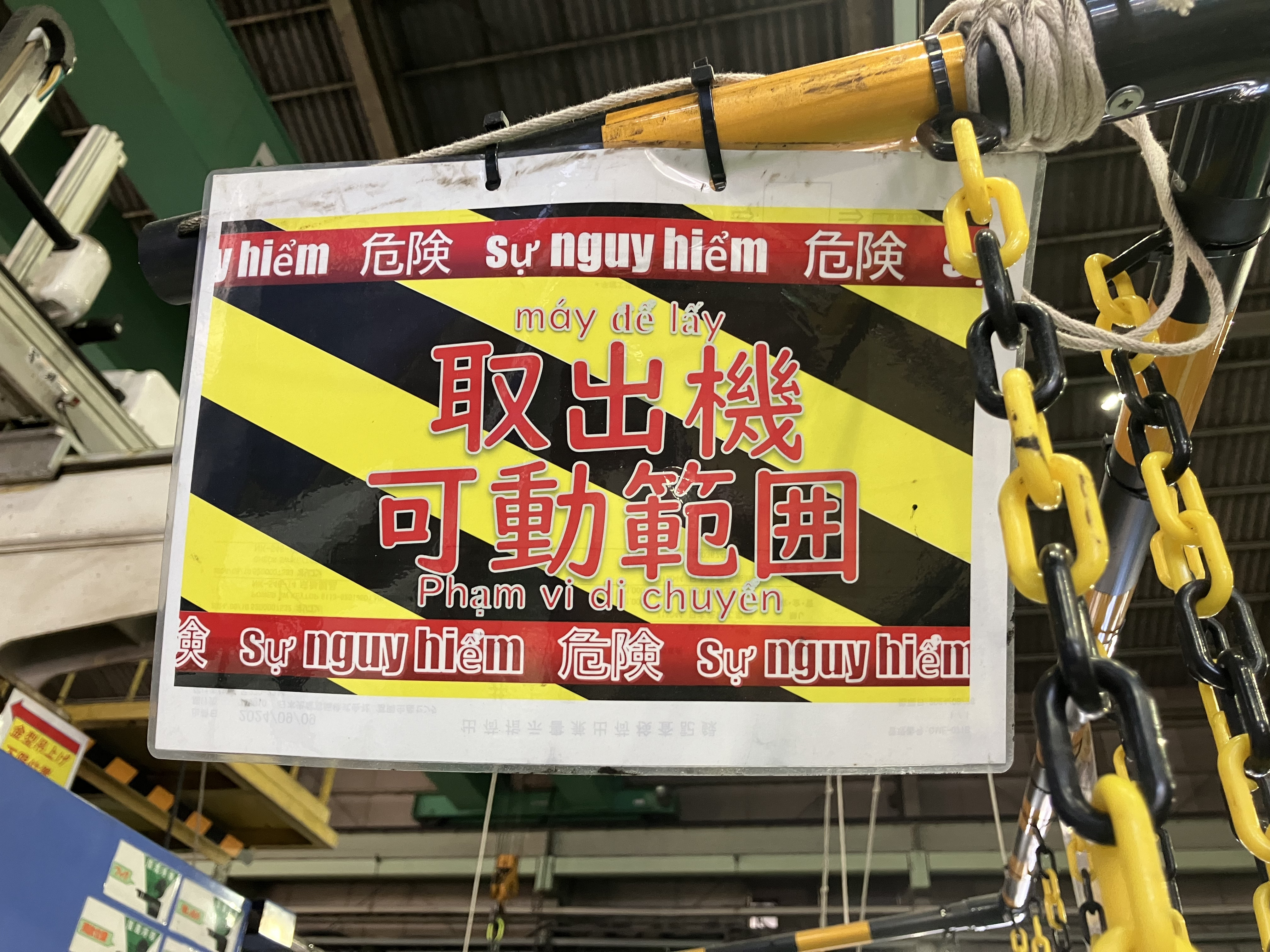
The Group intends to address the issues identified through this impact assessment by taking action to provide appropriate measures with Group companies as an initiative for further strengthening its respect for human rights, and conducting follow-up investigation to confirm the status of progress.
We will share the progress and results of our initiatives with the Group and our suppliers to help raise awareness of respect for human rights, and continue to implement our human rights due diligence process.
Complaint Handling Mechanism
The Group is advancing the development of a complaint handling mechanism for rights holders who may be impacted by corporate activities, including those inside and outside the Group, based on the UNGPs.
If you are subjected to or see an act that constitutes a human rights violation, please use the Human Rights Hotline. Business activities also include the supply chain.
Human Rights Hotline
- In addition to officers and employees, their families, affiliated companies, partner companies, customers, and anyone involved in business activities with MGC Group can consult with or provide information to the Human Rights Hotline.
- In order to confirm the details of your consultation, report on the progress and results of our response, etc., we ask that you fill in your name, company name, and email address in the input form. The Human Rights Hotline shall protect the privacy of consulters and persons cooperating with investigations and shall not reveal their names nor the fact that they made a report to anyone other than the concerned parties. MGC Group officers and employees who make consultations and reports shall not be subjected to disadvantageous treatment such as transfer or discrimination due to the consultation or due to cooperation with an investigation. In the case of a partner company or customer, instructions will be given to the relevant department or Group company so as to confer no disadvantage.